Published 5 June 2026, updated UCI Rule 1.3.006bis introduces a hard size cap for onboard cycling electronics. Effective 1 January 2028, any cycling computer used in UCI‑sanctioned professional races must not exceed 126mm in length and 71mm in width. This regulation will fundamentally reshape product strategy and competitive dynamics in the cycling computer market.
For brands, understanding the rule and acting early is critical. Here are five key points.

1. What exactly is the size limit?
From 1 January 2028, all cycling computers at UCI‑sanctioned events must fit within 126mm×71mm. This roughly matches the largest mainstream models today — so existing devices aren’t banned, but future designs have a firm ceiling.Many mainstream bike computer brands including Garmin and iGPSPORT also keep their flagship models within this size threshold.
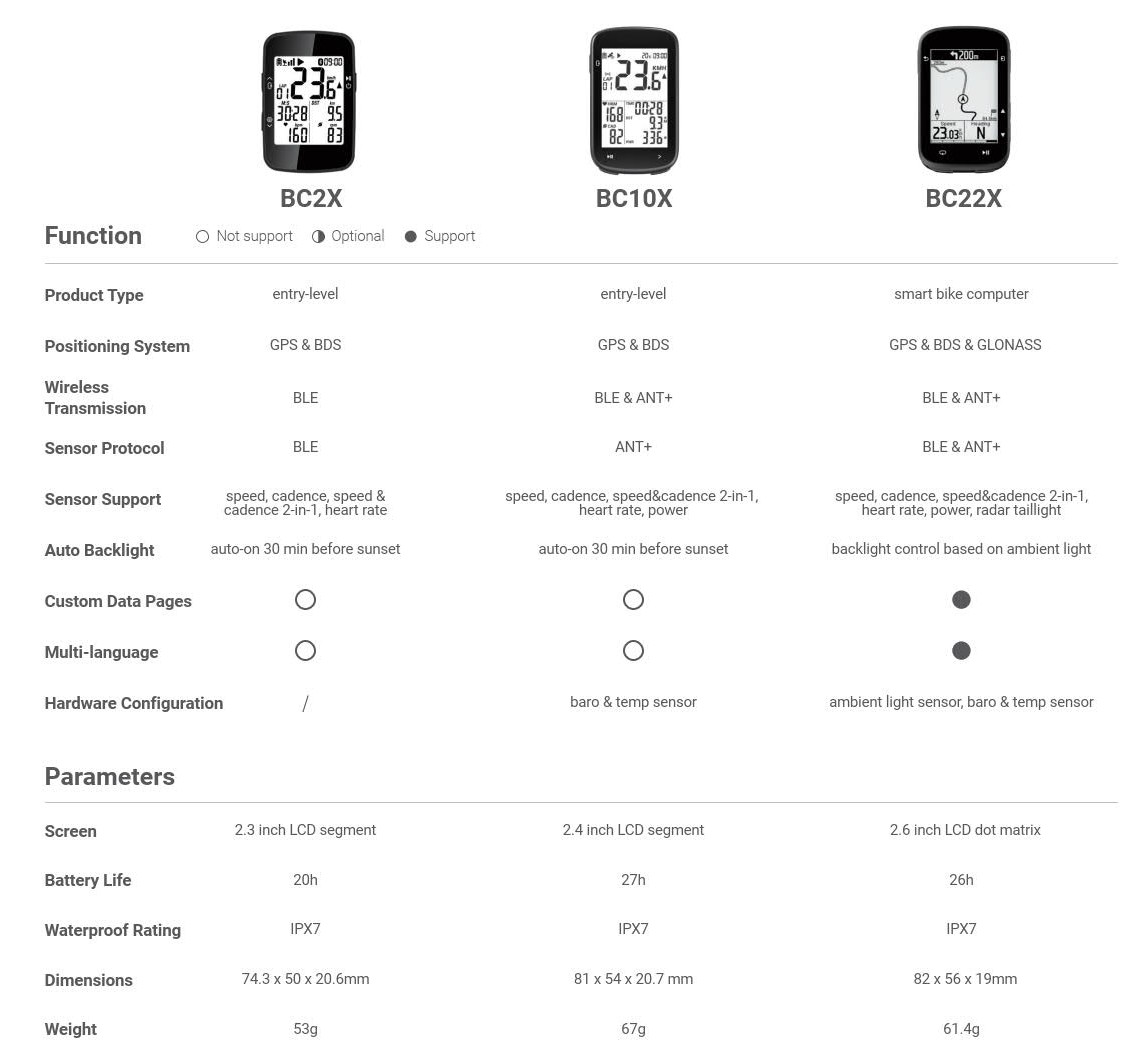
Fitcare compliance: All Fitcare bike computers (the largest model is our BC220, with dimensions of 82×56×19 mm) are already well under the limit. No resizing is needed — brand partners can deploy them as‑is.
2. Why did the UCI impose this rule?
The primary driver is rider safety. Research shows that more on‑screen data increases cognitive workload, a known crash risk factor. Modern cycling computer with GPS navigation packs offline maps, heart rate, power tracking, etc. Larger screens tempt riders to glance down longer. The UCI caps physical size to limit visible data volume — not to ban data itself (heart rate, temperature, sweat rate are still allowed), but to reduce distraction during racing
3. Which events and riders are affected?
Only UCI‑sanctioned professional races — WorldTour, ProSeries, Continental circuits, and UCI‑sanctioned amateur events like Gran Fondo Worlds. Non‑UCI rides (commuting, recreational training, unsanctioned group rides) are exempt. However, the UCI standard often becomes a de facto industry benchmark, so forward‑looking brands should prepare for broader adoption.
4. How much time do manufacturers have?
The UCI provides an 18‑month transition window — from 5 June 2026 to 1 January 2028. This is not just a compliance buffer; it’s a strategic opportunity. With size no longer a differentiator, brands that invest now in UI/UX, algorithms, and scenario‑based features will leap ahead when the rule takes effect.
5. What will competition look like post‑rule?
The size cap ends the “bigger screen” race and shifts competition to three deeper areas:
- • Display efficiency – dynamic layouts that show the right data at the right time (speed/power on flats, gradient/heart rate on climbs) instead of static screens.
- • Algorithm sophistication – moving from raw numbers to actionable insights (e.g., “current power: threshold zone – hold this pace”) via advanced sports‑science models.
- • Ecosystem integration – seamless pairing with sensors (HR, cadence, power), cross‑platform sync with cycling computer app and third-party training platforms, and cloud analytics.
Fitcare’s advantage: Fitcare has deep in‑house capabilities across all three pillars — from compact 2.3″/2.4″ cycling computer hardware with ANT+ & Bluetooth, ideal for road, gravel riding and multi-day bikepacking, to custom algorithms, mobile apps, and cloud services. We offer end‑to‑end ODM/OEM/JDM solutions that let brand partners lead in the new era.
Fitcare is ready to partner with you in shaping the future of smart cycling.
To get complete details of our cycling computer ODM/OEM solutions, submit your enquiry through our online form or contact us by email.